Mindset
30-Day Fitness Challenge for Women: What to Expect Week by Week
By the Reshape 30 Team··7 min read
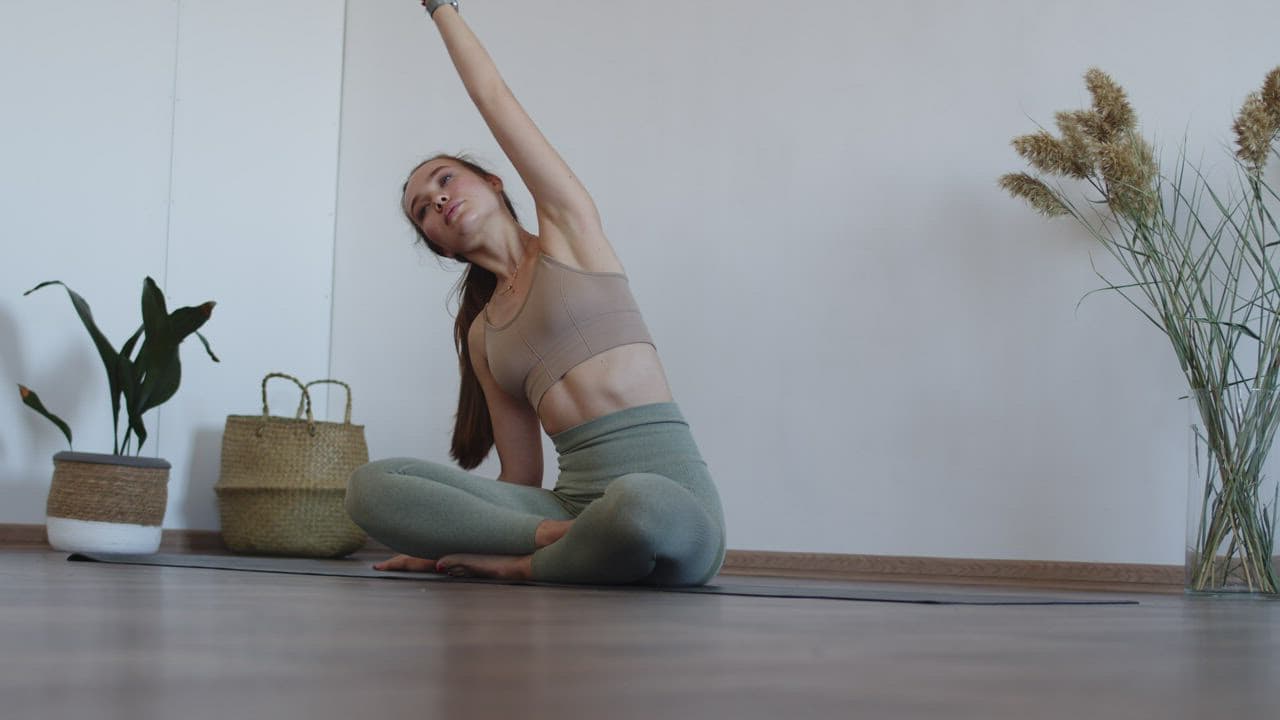
An honest look at what a 30-day at-home fitness challenge usually feels like, from the excitement of week one to the habit-building of week four, and how to get the most from it.
Setting realistic expectations
A 30-day fitness challenge is a great way to kick-start a routine, but it helps to go in with honest expectations. Thirty days is enough time to build a habit, get noticeably stronger in many exercises, and often feel better day to day. It is not a magic window for dramatic body transformation, and results vary widely from person to person.
The most valuable outcome of a 30-day challenge is usually not a number on the scale. It is proof to yourself that you can show up consistently. That proof is what carries you into month two, three, and beyond, which is where longer-term changes tend to happen.
Week 1: Excitement, learning, and soreness
The first week usually feels exciting. Everything is new, and motivation is high. You are learning the exercises, figuring out your space, and finding the best time of day to work out.
Expect some muscle soreness, especially after the first two or three sessions. This is common when your muscles do something unfamiliar, and it typically eases as your body adapts. Gentle movement such as walking and stretching often helps you feel less stiff.
- Focus on learning good form rather than going fast
- Choose the easier version of moves when in doubt
- Expect some soreness and plan easy movement on rest days
- Note your starting point: how many push-ups, how long a plank
Week 2: The motivation dip
Week two is where many people stall. The novelty fades, life gets in the way, and the workouts are no longer brand new. You might not see obvious changes yet, which can make it tempting to quit.
This is completely normal and the most important week to push through. Rely on systems instead of motivation: a fixed workout time, clothes laid out the night before, and a simple tracker. If a day goes sideways, do a shorter version rather than skipping entirely.
- Keep workouts at the same time each day if possible
- Use a short express workout on busy days instead of skipping
- Remind yourself why you started; writing it down helps
Week 3: Things start to click
By week three, many women notice that exercises feel more familiar and controlled. You might complete a round that felt brutal in week one, hold a plank a little longer, or recover faster between intervals. These are real signs of progress.
This is also a good time to challenge yourself a little more. Try the harder variation of one or two moves, or slow down your reps. Pay attention to non-scale wins, such as better sleep, more energy in the afternoon, or simply feeling proud that you are still going.
Week 4: Building the habit for the long term
In the final stretch, working out often starts to feel like a normal part of your day rather than a special effort. That is the real win. Use this week to retest your starting benchmarks and see how far you have come.
Start thinking about what comes next. Will you repeat the challenge at a harder level, move to three or four workouts a week, or add a new goal? Deciding before day 30 ends makes it much easier to keep the momentum going rather than stopping completely.
- Retest your day-one benchmarks
- Take note of how your energy, mood, and sleep feel
- Plan your next 30 days before this challenge ends
How to get the most out of any 30-day challenge
Choose a challenge that matches your current fitness and schedule. Short daily workouts with built-in rest and recovery days are usually more sustainable than intense daily sessions. Look for options to make moves easier or harder, so the plan grows with you.
Support your training with the basics: regular meals that include protein, enough water, and as much sleep as you can manage. And be kind to yourself. Missing a day does not mean you failed; it just means you pick up again tomorrow.
How to measure progress beyond the scale
The scale can bounce around from day to day for many reasons that have nothing to do with your workouts, such as water, salt, sleep, and hormones. If you rely on it alone, you may miss real progress that is happening.
Instead, collect a few simple benchmarks on day one and repeat them at the end of the month. These are easy to do at home and give you a clearer, more encouraging picture of how your fitness is changing. Write your results down so you can compare them honestly.
- How many push-ups (wall, knee, or full) you can do with good form
- How long you can hold a plank
- How many squats you can do in 60 seconds
- How you feel climbing stairs or carrying groceries
- Energy, mood, and sleep, rated on a simple 1-10 scale
- Optional: progress photos or how your clothes fit
This article is for general educational purposes and isn't medical advice. Talk to your healthcare provider before starting a new exercise or nutrition program.