Nutrition
How Much Protein Do Women Need? A Practical Guide
By the Reshape 30 Team··7 min read
A clear look at commonly cited protein ranges for women, how activity and age can change your needs, and simple ways to spread protein across your day.
Why protein matters
Protein provides the building blocks your body uses to repair and maintain tissues, including muscle. If you are doing regular strength workouts, eating enough protein helps support the muscle you are working to build. Protein also tends to be filling, which many women find helpful when planning satisfying meals.
That said, protein is not magic, and more is not automatically better. The goal is to eat an amount that fits your body, activity level, and preferences, as part of an overall balanced diet.
The commonly cited ranges
In the US, the Recommended Dietary Allowance (RDA) for protein for adults is 0.8 grams per kilogram of body weight per day. This is often described as the minimum amount needed to meet basic needs for most healthy adults, not necessarily an ideal target for everyone.
For people who exercise regularly, especially those doing strength training, many sports nutrition organizations suggest higher intakes, commonly somewhere in the range of about 1.2 to 2.0 grams per kilogram per day. Older adults are also often encouraged to aim above the RDA to help maintain muscle.
To translate that: a woman weighing 150 pounds (about 68 kg) would get roughly 54 grams per day at the RDA, and roughly 82 to 136 grams per day across the higher range. These are general reference points, not personal prescriptions.
- Convert pounds to kilograms by dividing by 2.2
- Minimum reference (RDA): about 0.8 g per kg per day
- Often suggested for active adults: about 1.2-2.0 g per kg per day
- Your ideal amount depends on your health, goals, and activity
Factors that can change your needs
Several things can shift how much protein makes sense for you. Activity level is the big one: someone doing several strength sessions a week typically benefits from more than someone who is mostly sedentary. Age matters too, since maintaining muscle can take more deliberate effort as we get older.
Pregnancy and breastfeeding increase needs, and certain health conditions, particularly kidney disease, may require limiting protein. This is why it is worth speaking to your doctor or a registered dietitian if you have a medical condition, are pregnant, or want a precise target based on your situation.
Spread it across your day
Rather than eating most of your protein at dinner, many women find it easier to include a solid serving at each meal and snack. This also tends to keep you fuller between meals. A simple goal is to include a palm-sized portion of a protein-rich food every time you eat a main meal.
Breakfast is often where protein falls short. Swapping a plain bagel or cereal for eggs, Greek yogurt, cottage cheese, or a tofu scramble can make a noticeable difference to your daily total.
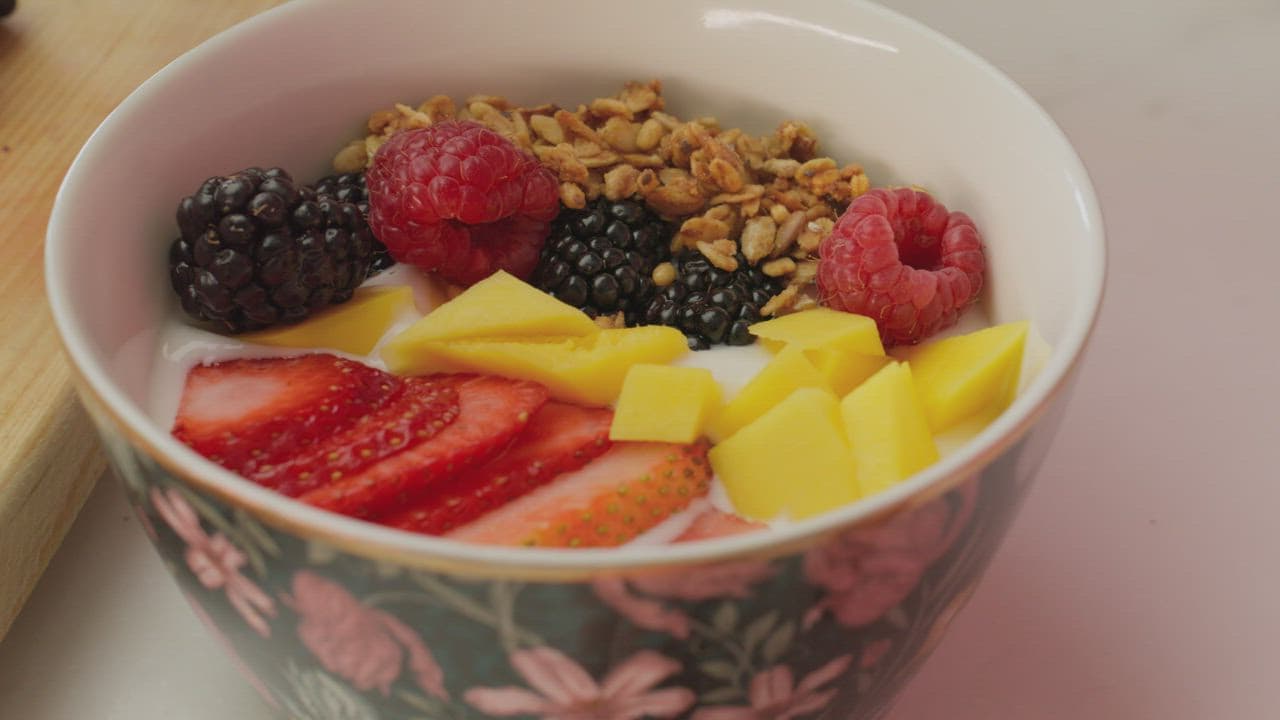
- Breakfast: eggs, Greek yogurt with berries, cottage cheese, tofu scramble
- Lunch: chicken, tuna, beans, lentils, or tempeh on a salad or grain bowl
- Dinner: fish, lean meat, tofu, or a bean-based chili
- Snacks: string cheese, edamame, roasted chickpeas, a handful of nuts
Plant-based and budget-friendly options
You do not need expensive powders or specialty foods to meet your protein needs. Eggs, canned tuna or salmon, chicken thighs, dried lentils, canned beans, tofu, and plain yogurt are all affordable staples. Buying in bulk and batch cooking helps further.
If you eat plant-based, combining a variety of sources such as beans, lentils, tofu, tempeh, edamame, seitan, and whole grains through the day helps you get a good mix of amino acids. Protein powder can be a convenient top-up for anyone, but it is optional, not essential.
What a higher-protein day can look like
Seeing a sample day can make the numbers feel less abstract. Protein content varies by brand and portion, so treat these as rough estimates rather than exact figures. Checking the nutrition labels on the foods you already buy is the easiest way to get a feel for your own intake.
Notice that nothing in this example is unusual or expensive. It is mostly ordinary food, chosen so that each meal and snack has a clear protein anchor. Small swaps like this add up over a day without requiring a special diet.
- Breakfast: two eggs plus a cup of Greek yogurt with fruit
- Lunch: a large salad or grain bowl with a palm-sized portion of chicken, tofu, or a cup of beans
- Snack: cottage cheese or a handful of edamame with a piece of fruit
- Dinner: a fillet of fish or a serving of lentil chili with vegetables and rice
- Optional: a glass of milk or soy milk in the evening
Keep it simple
You do not need to weigh every meal to benefit. Start by checking whether each meal contains a clear protein source, then adjust from there. If you want to track for a week to learn where you stand, a free nutrition app can give you a rough picture.
Remember that protein works alongside everything else: vegetables, fruit, whole grains, healthy fats, water, and enough total food to fuel your workouts. Balanced eating you can sustain is far more useful than hitting a perfect number.
This article is for general educational purposes and isn't medical advice. Talk to your healthcare provider before starting a new exercise or nutrition program.