Nutrition
How to Lose Belly Fat at Home: An Honest, Habit-Based Guide
By the Reshape 30 Team··8 min read

Why you cannot spot-reduce belly fat, and the realistic at-home habits that actually influence your midsection over time: strength training, protein, daily movement, sleep, and stress.
The honest starting point: you cannot target belly fat
If you have ever done hundreds of crunches hoping to flatten your stomach, you have probably noticed it does not work that way. The idea that working a specific muscle burns the fat sitting on top of it is known as spot reduction, and it is one of the most persistent fitness myths around. Your body draws on fat stores from all over, in a pattern largely shaped by genetics, hormones, and age, not by which exercise you choose.
That is not bad news. It means you can stop wasting time on endless ab exercises and put your energy into the habits that genuinely influence body composition. It also means your progress may show up in other places first, and the belly might be one of the last areas to change. That is normal, not a sign that you are doing it wrong.
It is also worth saying clearly: your worth is not measured by your waistline. Many women want a flatter stomach for comfort, health, or confidence, and that is a valid goal. Just approach it with patience and kindness rather than punishment.
Strength training is your foundation
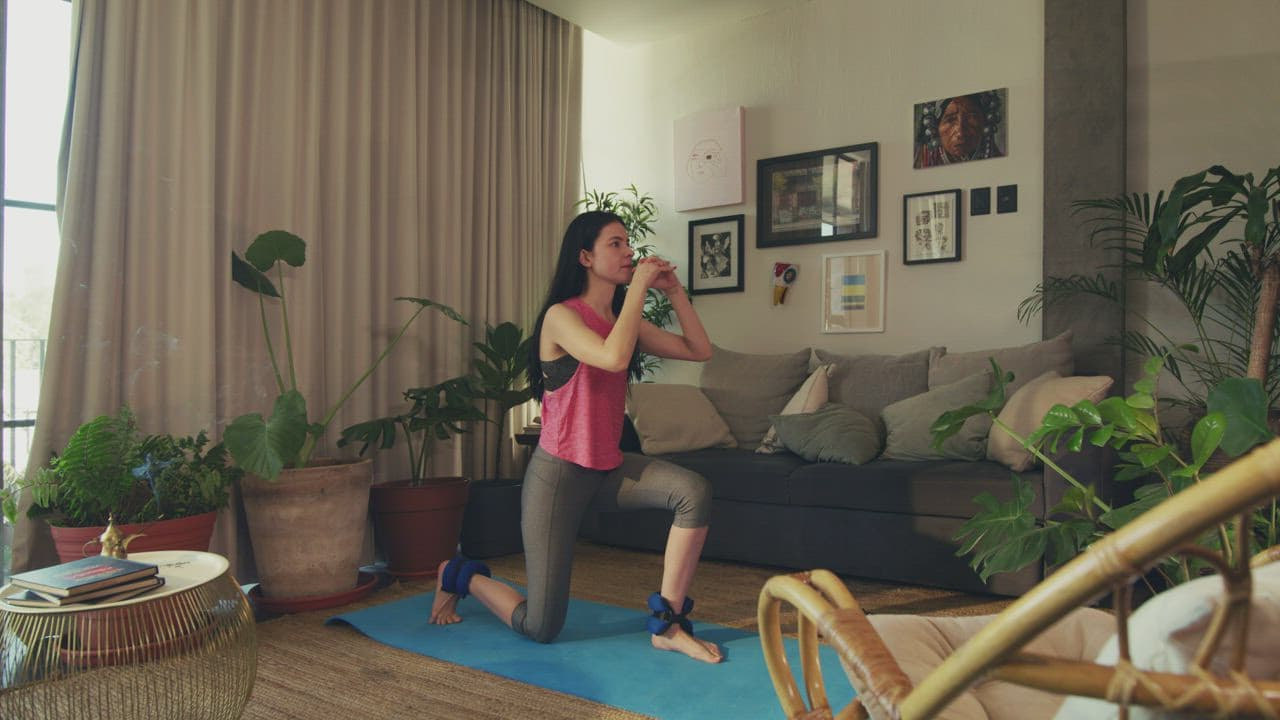
Building and keeping muscle is one of the most useful things you can do for long-term body composition. Muscle helps you look more toned as fat changes, supports your joints, and makes everyday tasks easier. You do not need a gym: bodyweight squats, lunges, push-ups, glute bridges, and rows using a sturdy table can challenge you plenty, especially at first.
Aim for two to four full-body sessions a week, working your legs, glutes, back, chest, and core. Each week, try to make things slightly harder by adding a rep, a round, or a slower tempo. Core exercises still belong in your routine, because a strong midsection supports your posture and back. Just think of them as building strength rather than burning belly fat.
Eat in a way that supports your goal (without crash dieting)
Fat loss generally requires eating somewhat less energy than you use over time, but extreme restriction tends to backfire. Very low-calorie diets can leave you hungry, tired, and irritable, and they are hard to sustain. A gentler approach focuses on the quality and structure of your meals.
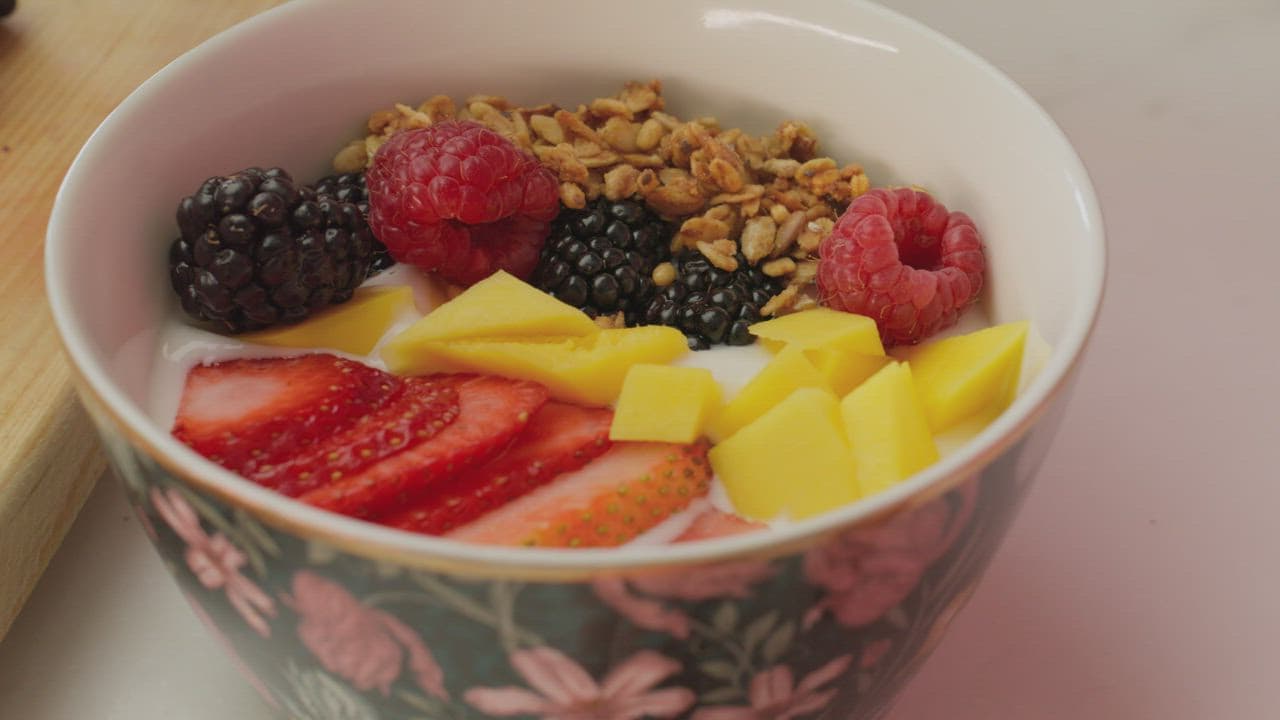
Protein deserves special attention. It helps you feel full and supports the muscle you are working to build. Fiber-rich foods like vegetables, fruit, beans, and whole grains add volume and keep you satisfied. Many women find that simply building each meal around a protein source and a generous serving of vegetables naturally improves their eating without counting every bite.
- Include a palm-sized portion of protein at each meal
- Fill about half your plate with vegetables or salad
- Choose mostly whole, minimally processed foods
- Notice liquid calories from sweet coffee drinks, juice, and alcohol
- Keep treats in your life, just planned rather than constant
Move more outside of your workouts
Your structured workouts are only a small slice of your week. The movement you do the rest of the time, such as walking, taking the stairs, doing housework, and playing with kids, adds up to a significant amount of activity. Increasing it is one of the easiest changes to make at home.
Try a 10-minute walk after meals, standing or pacing during phone calls, or setting a reminder to get up every hour. None of these feel like exercise, which is exactly why they are easy to keep doing.
Do not underestimate sleep and stress
Short or poor-quality sleep tends to make everything harder: you may feel hungrier, crave quick-energy foods, and have less motivation to move. Aiming for a consistent bedtime, a dark and cool bedroom, and a wind-down routine without screens can make a real difference to how you feel day to day.
Ongoing stress has a similar effect for many people, nudging them toward comfort eating and away from exercise. You cannot remove every stressor, but you can build small buffers: a short walk outside, a few minutes of slow breathing, journaling, or a gentle mobility session before bed.
What realistic progress looks like
Changes in body composition are gradual. Rather than relying only on the scale, which can shift from day to day for many reasons, track a few different markers: how your clothes fit, a waist measurement every couple of weeks, progress photos, and your strength in your workouts. Feeling more energetic or sleeping better are also wins worth noticing.
It also helps to pick just one or two habits to start with rather than overhauling everything at once. For example, you might begin with three short strength sessions a week and a protein-rich breakfast, then add an evening walk once those feel automatic.
Give any new set of habits at least several weeks before judging it. If you have a medical condition, take medication that affects your weight, are going through perimenopause or menopause, or have a history of disordered eating, it is a good idea to work with your doctor or a registered dietitian for advice tailored to you.
This article is for general educational purposes and isn't medical advice. Talk to your healthcare provider before starting a new exercise or nutrition program.